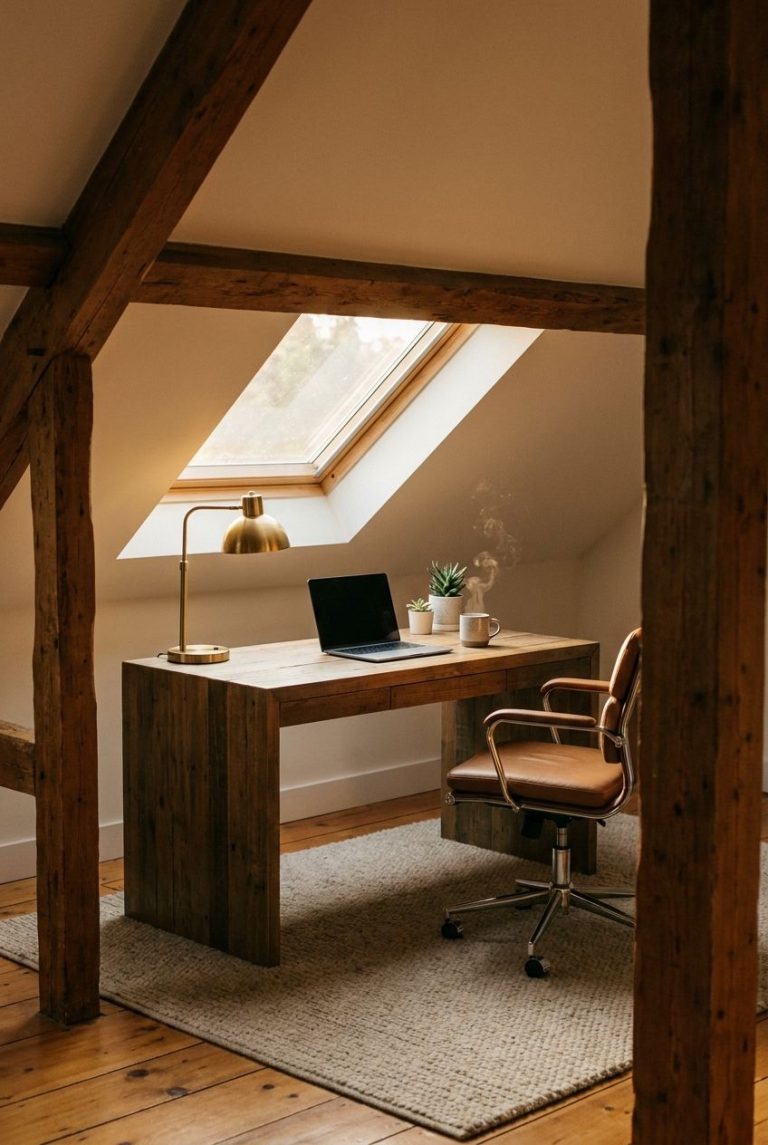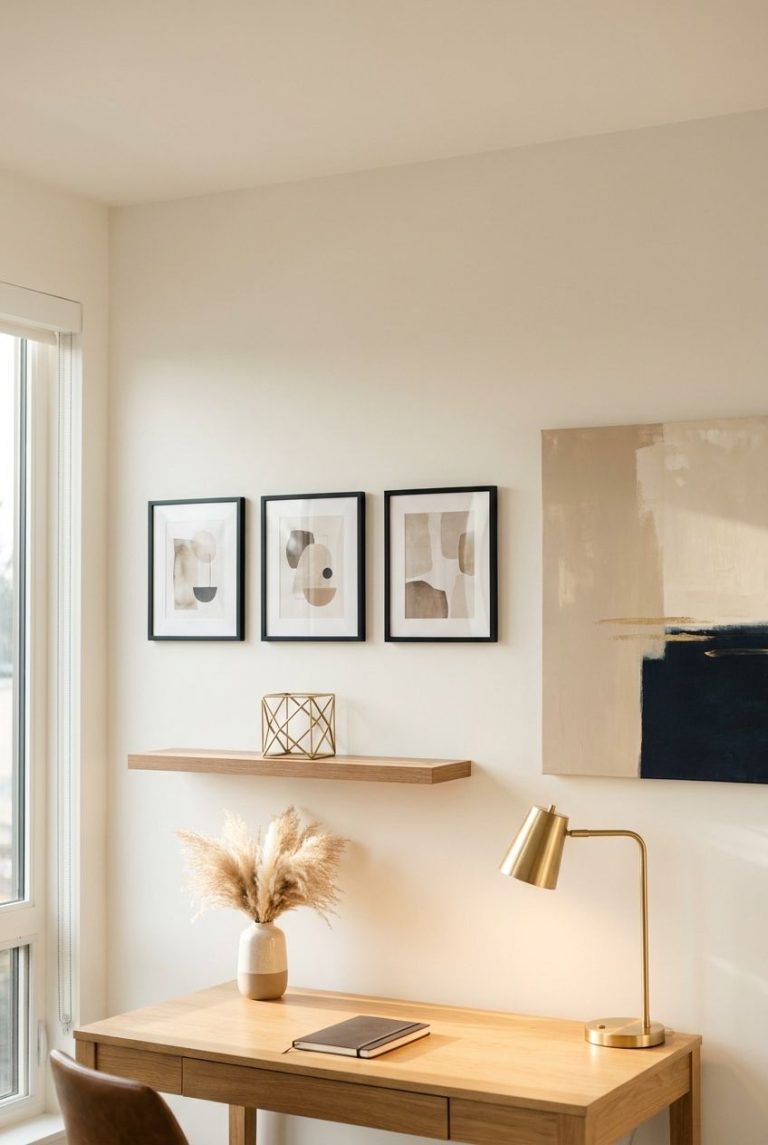
Minimalist Desk: The Complete Guide to Choosing, Setting Up, and Living With Less
Your desk is the one piece of furniture you touch for eight hours a day, yet most people buy one in fifteen minutes without thinking about size, material, or how it’ll actually function once cables, coffee cups, and paperwork start piling on. A minimalist desk isn’t about owning less stuff for the sake of aesthetics—it’s about removing friction from your workday so the only thing competing for your attention is the work itself.
What Actually Makes a Desk “Minimalist”?
A minimalist desk isn’t defined by a specific brand or price point—it’s defined by restraint. Three things separate a true minimalist desk from a regular one: a clean visual footprint, a single dominant material or color, and zero unnecessary hardware (no drawers you don’t use, no ornate legs, no visible screws or brackets).

Most minimalist desks fall into one of these categories:
- Floating/wall-mounted desks: No legs at all, mounted directly to studs. Common depth: 20-24 inches.
- Trestle-style desks: A single flat surface on two simple leg panels, no crossbars or drawers. Think Muji or IKEA’s LINNMON/ADILS combo.
- Standing/sit-stand desks with hidden mechanisms: The motor and controls are tucked under the surface so the silhouette stays clean.
- Single-slab desks: One solid piece of wood, metal, or composite with minimal or no visible legs (cantilevered designs).
The common thread is that a minimalist desk should look almost the same whether it’s empty or in use. If your desk needs to be “styled” with props to look good, it’s not minimalist—it’s just underdecorated.
The Real Benefits of a Minimalist Desk Setup
This isn’t just a trend—there’s a functional case for a minimalist desk that goes beyond looks.

Fewer Decision Points
Studies on decision fatigue (notably from Baumeister’s research on ego depletion) suggest that every small decision—including where to put your stapler—draws down the same mental resource you need for actual work. A desk with fewer surfaces, drawers, and objects means fewer micro-decisions before 9am.
Easier to Clean, Easier to Reset
A desk with a single 48″ x 24″ slab and no drawers takes about 90 seconds to wipe down completely. Compare that to a desk with three drawer units, a hutch, and a keyboard tray—each surface is another 30-60 seconds of cleaning and another place clutter can hide.
Better for Small Spaces
A standard minimalist desk (typically 40-48 inches wide, 20-24 inches deep) takes up roughly 40% less floor space than a traditional executive desk, which often runs 60-72 inches wide with a full modesty panel and side pedestal.
Cheaper to Move and Reconfigure
Lightweight minimalist desks (often 25-40 lbs vs. 80-150 lbs for traditional wood desks) are easier to disassemble, ship, or rearrange when you change apartments or offices—a real cost saver if you move more than once every few years.
Essential Features to Look for Before You Buy a Minimalist Desk
Not every plain-looking desk is well-built. Here’s what actually matters when evaluating one.
Size and Surface Area
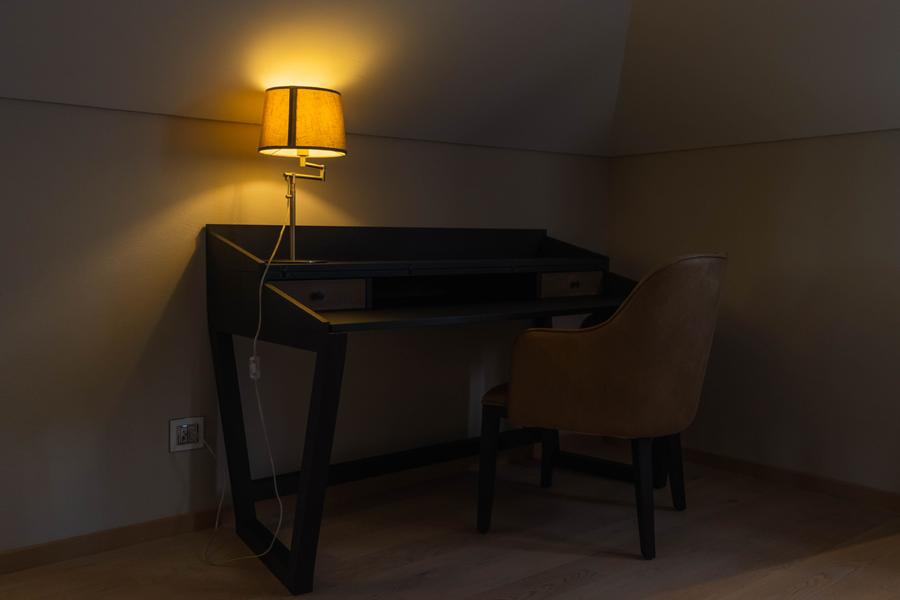
For a laptop-only setup, 40 inches wide is enough. If you run two monitors, go at least 55 inches. Depth matters more than people think—anything under 22 inches makes it hard to keep a keyboard and mouse comfortably back from the edge, especially with a monitor arm clamped on.
Material and Build Quality
Common materials, ranked by durability and price:
- Solid wood (oak, walnut, bamboo): $300-$900. Lasts decades, develops patina, heaviest option.
- Engineered wood with laminate (MDF/particleboard core): $80-$250. Lightest on the wallet, can swell if exposed to moisture, 5-10 year lifespan.
- Powder-coated steel frame with wood or laminate top: $200-$500. Best strength-to-weight ratio, common on standing desks.
- Tempered glass: $150-$400. Extremely minimal look, but shows fingerprints and scratches easily—avoid if you type heavily.
Cable Management Built In
The single biggest thing that ruins a minimalist desk’s look is a rat’s nest of cables hanging off the back. Look for desks with a built-in cable tray or at least a grommet hole (usually 2-inch diameter) near the back edge. If the desk doesn’t have one, budget an extra $15-$25 for a clip-on cable tray like the Ikea SIGNUM or a generic under-desk basket.
Minimalist Desk vs. Traditional Office Desk: A Side-by-Side Comparison
Here’s how the two options stack up across the factors that actually affect daily use:

| Factor | Minimalist Desk | Traditional Office Desk |
|---|---|---|
| Average width | 40-55 inches | 60-72 inches |
| Average weight | 25-45 lbs | 80-150 lbs |
| Storage | None or one slim drawer | 2-3 drawers, file pedestal |
| Assembly time | 15-30 minutes | 45-90 minutes |
| Average price | $120-$500 | $250-$900 |
| Cleaning time | ~90 seconds | 4-6 minutes |
| Best for | Laptop users, small rooms, remote workers | Paper-heavy roles, shared offices, legal/admin work |
If your job genuinely requires physical files, a minimalist desk without storage will frustrate you fast. But if 90% of your work lives on a screen, the traditional desk’s storage is dead weight you’re paying for and dusting around.
Popular Minimalist Desk Brands and What They Actually Cost
Prices shift, but here’s a realistic snapshot of what’s available as of 2024, based on standard configurations:
- IKEA (LINNMON/ADILS or TROTTEN): $50-$130. Budget-friendly, laminate top, assembly required, 3-5 year realistic lifespan under daily use.
- Fully Jarvis: $469-$629 for the standing bamboo version. Steel frame, electric height adjustment, 15-year warranty on frame.
- Branch Standing Desk: $499-$599. Clean lines, dual motor, weight capacity around 300 lbs.
- Autonomous SmartDesk Core: $219-$379. Entry-level standing desk, minimalist steel-and-laminate build.
- Muji Oak Desk: Roughly $600-$800 (varies by region). Solid wood, no hardware visible, extremely simple silhouette.
- Floyd Desk: $350-$650. Powder-coated steel legs, birch plywood top, ships flat in two boxes.
A good rule of thumb: if you’re under $150, expect particleboard and a 3-4 year lifespan. Between $300-$600 gets you steel-frame durability or real wood. Above $600, you’re paying for solid hardwood, premium finishes, or motorized height adjustment.
How to Set Up Your Minimalist Desk in 7 Steps
Buying the desk is the easy part. Setting it up so it stays minimal—rather than collecting clutter within a month—takes a bit more intention.

- Measure your space first. Leave at least 30 inches behind the desk for chair movement, and 3 inches of clearance on each side from walls or furniture.
- Pick a single anchor color. Match the desk’s tone (light oak, black steel, white laminate) to no more than two other items in view—monitor, lamp, or chair.
- Route all cables before you set anything on the desk. Use a cable tray or zip ties to bundle power and USB cords along one leg, out of sight.
- Limit yourself to 3 objects on the surface. Laptop/monitor, one lamp, one plant or notebook. Anything else goes in a drawer, on a shelf, or gets removed entirely.
- Add a monitor arm instead of a stand. A $40-$80 clamp-on arm (like the AmazonBasics or Ergotron LX) frees up 6-8 square inches of desk real estate that a monitor stand would eat.
- Use under-desk storage instead of surface storage. A slide-out tray or a single floating shelf above the desk keeps items accessible without cluttering the work surface.
- Do a weekly 2-minute reset. Every Friday, clear the desk down to your 3 core items. This single habit does more to maintain “minimalist” than any product choice.
3 Mistakes People Make When Going Minimalist (and How to Fix Them)
Most minimalist desk setups fail within the first two months—not because the desk is wrong, but because of these avoidable errors:

- Mistake 1: Buying too small a surface to save space. A 32-inch-wide desk looks great in photos but can’t fit a keyboard, mouse, and a notebook without overlap. Fix: measure your actual peripherals and add 12 inches of buffer minimum.
- Mistake 2: Ignoring cable management until after setup. Once the desk is against the wall and loaded with gear, running cables cleanly becomes a two-hour teardown job. Fix: route cables during assembly, not after.
- Mistake 3: Removing all storage, then improvising with baskets and organizers. This is the most common failure—people ditch drawers for the aesthetic, then pile loose items into bins that end up looking worse than a drawer ever would. Fix: keep exactly one closed storage option (a single slim drawer or a lidded box under the desk) for the 5-10 items you genuinely use daily.
What If You Need More Storage? Solving the Minimalist Dilemma
This is the most common objection to minimalist desks, and it’s a fair one. Here’s how to handle it without abandoning the concept entirely.

If you have physical paperwork
Add a slim rolling file cart (18″ wide, common IKEA HELMER model, ~$50) that tucks under the desk and rolls out only when needed. It stays out of sight but keeps files accessible.
If you have lots of small accessories
Mount a single floating shelf (24″-36″ wide, $20-$40) above the desk at eye level. This keeps items off the work surface while staying visually contained—one shelf, clearly bounded, reads as intentional rather than cluttered.
If you share the desk with a partner or roommate
Get a desk with exactly one shared drawer, divided with a $10 drawer organizer insert. Shared minimalist setups fail when everyone assumes “no storage” means “no rules”—one drawer with clear zones solves this.
The mistake isn’t wanting storage—it’s letting storage sprawl across every visible surface. Contain it to one designated spot, and the desk still reads as minimal.
DIY Minimalist Desk: Building Your Own for Under $150
If retail options don’t fit your space or budget, building one is straightforward and often cheaper.

- Buy a solid-core door blank (30″x80″ hollow-core or solid, $40-$70 at Home Depot/Lowe’s) and cut it to your desired width—48 inches is standard.
- Sand and finish the edges with 120-grit sandpaper, then apply a matte polyurethane coat ($15 can, covers 2-3 desks).
- Choose your base: two sawhorse-style hairpin legs ($35-$50 for a set of 4 from DIY Hairpin Legs or Amazon) or a simple A-frame trestle from 2x4s ($20 in lumber).
- Attach with L-brackets (under $10) rather than visible screws through the top—keeps the surface clean.
- Drill one 2-inch cable grommet hole near the back-left or back-right corner using a hole saw bit ($12).
Total cost typically lands between $110-$150, and you end up with a custom-width, custom-height desk that fits your exact space—something no off-the-shelf minimalist desk can guarantee.
Maintaining Your Minimalist Desk Long-Term
A minimalist desk’s biggest enemy isn’t design flaws—it’s entropy. Mail, chargers, and coffee mugs will always try to move in. A few maintenance habits keep it functional for years rather than months.

Wipe wood surfaces with a slightly damp microfiber cloth weekly; avoid all-purpose sprays with ammonia, which dull matte wood finishes over 6-12 months of repeated use. For laminate tops, a 50/50 vinegar-water solution removes most residue without streaking. Reapply furniture wax to solid wood desks every 6 months to prevent drying and cracking, especially in homes with forced-air heating that drops humidity below 30%.
Check screws and leg brackets every 3-4 months if the desk sees daily use—laminate and particleboard desks in particular can develop wobble as pre-drilled holes wear slightly larger over time. Tightening early prevents the wood from stripping out completely, which would otherwise require a repair kit ($8-$12) or replacement leg.
Getting Started This Week
Skip the temptation to research for another month—measure your space today, decide whether you need a drawer or not, and set a hard budget before you start browsing. If you’re testing whether minimalism actually works for your habits, start with the cheapest viable option (an IKEA LINNMON setup runs about $70 total) before committing $500+ to a premium desk. Give it three weeks of the Friday reset habit described above; if you’re still fighting clutter by week four, the problem isn’t the desk—it’s that you need one contained storage zone, not zero. Adjust from there, not from scratch.