7 Best Ergonomic Chairs Under $300
Three hundred dollars is the sweet spot for a home-office chair. Below it, you are mostly paying for a seat that goes up and down; above it, you start paying for polish, brand names, and features you may never touch. At $300 and under, the good chairs put the money where your body meets the chair — and the bad ones put it where your eyes meet the chair. This guide sorts one from the other.
Every pick below costs $300 or less at typical street prices. Prices are broad typical ranges for that type of chair, not a quote for one model — check the current price before you buy, and buy from somewhere with a real return policy. The order of work matters here: first decide what your body needs, then match a pick to it, then set the chair up properly. A $150 chair adjusted right beats a $290 chair adjusted wrong.
What $300 Actually Buys — and What It Doesn’t
At this price you can expect the essentials done well: a gas lift that holds its height, a backrest shaped for a lumbar curve, armrests that move up and down, and a base that does not wobble after six months. What you generally do not get: four-way armrests, a seat that slides, synchronous tilt, or a warranty longer than two or three years. That is a fair trade — the essentials decide comfort; the extras decide convenience. The chairs below are ranked by how well they deliver the essentials for a particular person, not by how many features the box lists.
The 5 Checks That Decide Comfort, in Order
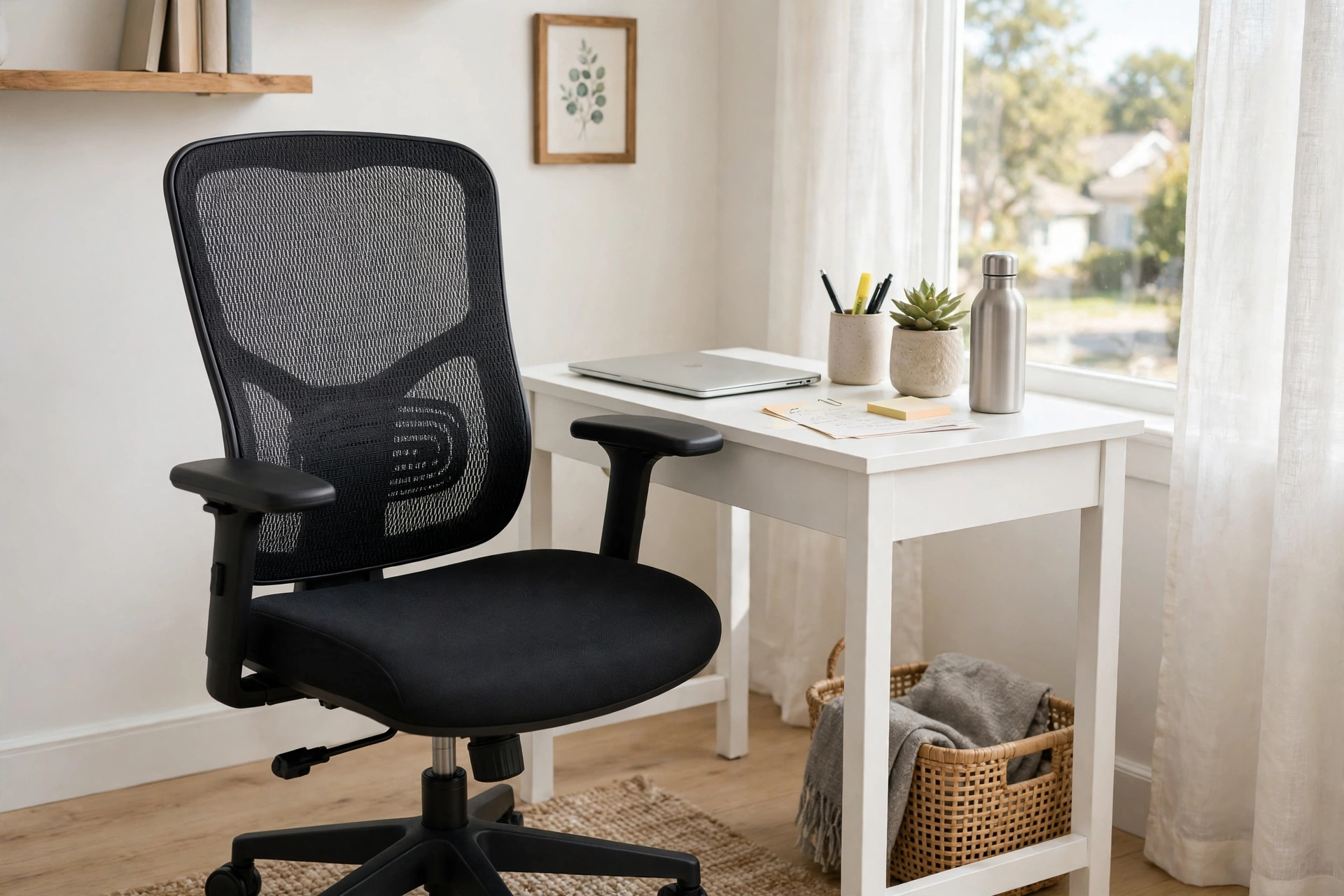
Run through these on any chair under $300 before you buy. A chair that fails the first two is a no, whatever it costs.
- Seat height: with your feet flat on the floor, your thighs should sit roughly level, knees at about 90 degrees. If the lowest setting still leaves your feet dangling, the chair is too tall for you.
- Lumbar support: it should press gently into the small of your back, and — ideally — move up and down so it meets your curve, not an average one.
- Armrests: they should adjust in height so your shoulders stay relaxed, not shrugged or stretched.
- Seat depth: you want two or three fingers of space between the front edge and the back of your knees.
- Tilt: a chair that lets you recline slightly — and locks where you like it — takes pressure off your spine during long sessions.
At this price, treat the first three as non-negotiable and the last two as nice to have. Now the seven picks.
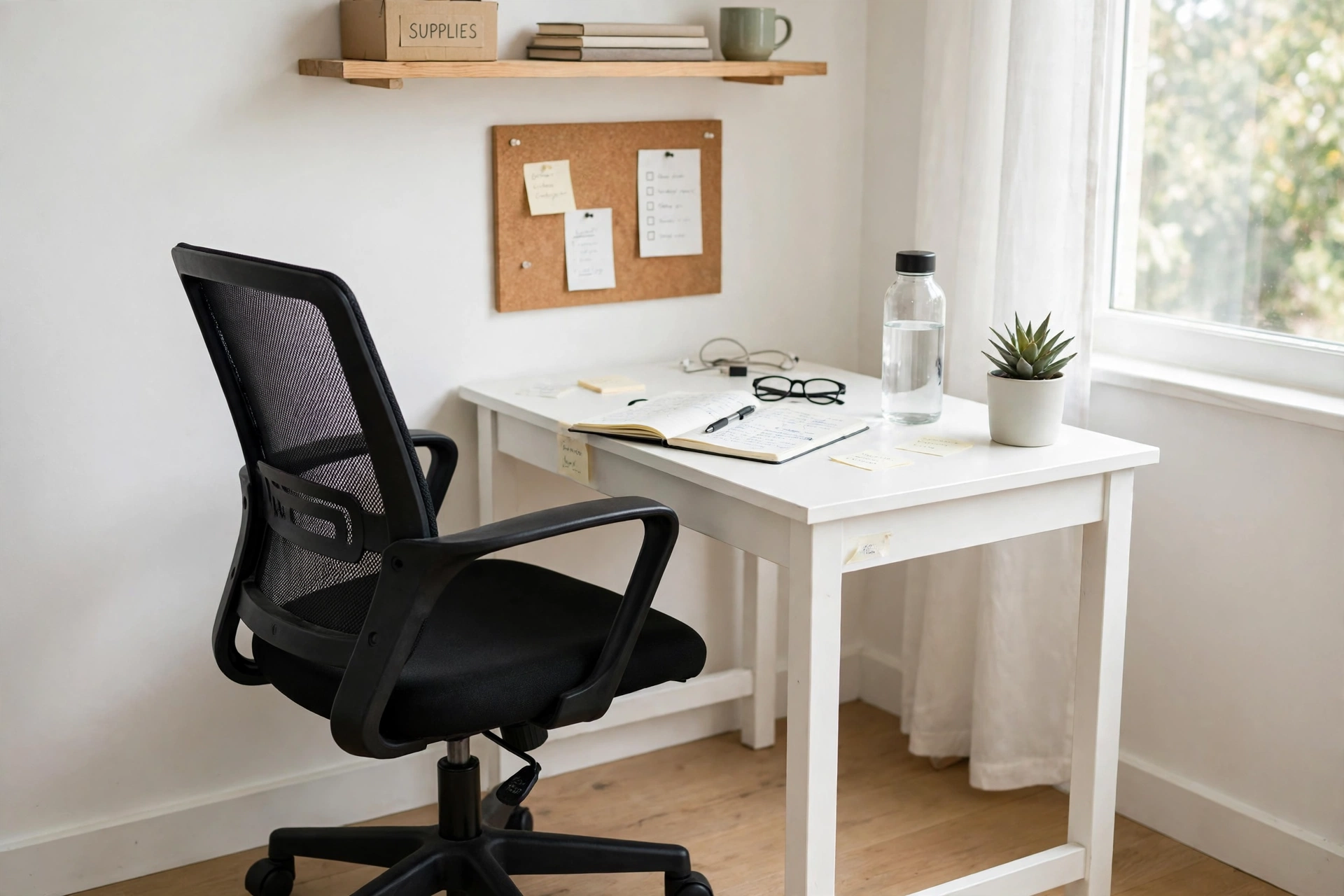
1. Best Overall Under $300: A Fully Adjustable Mesh Task Chair
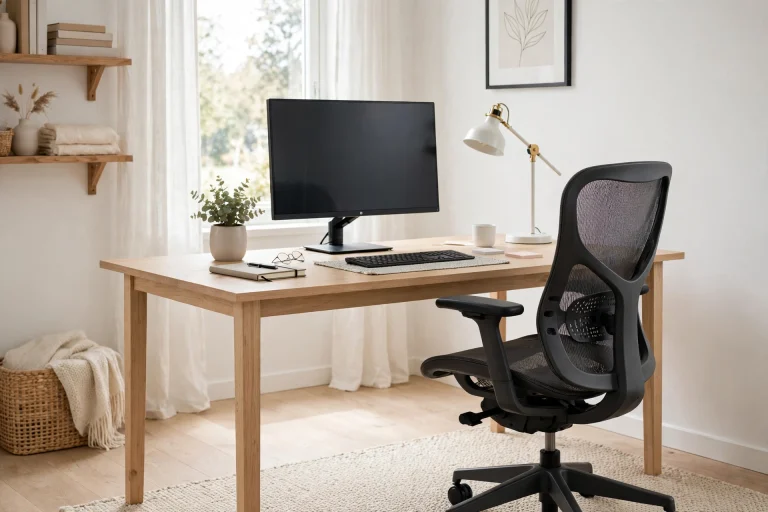
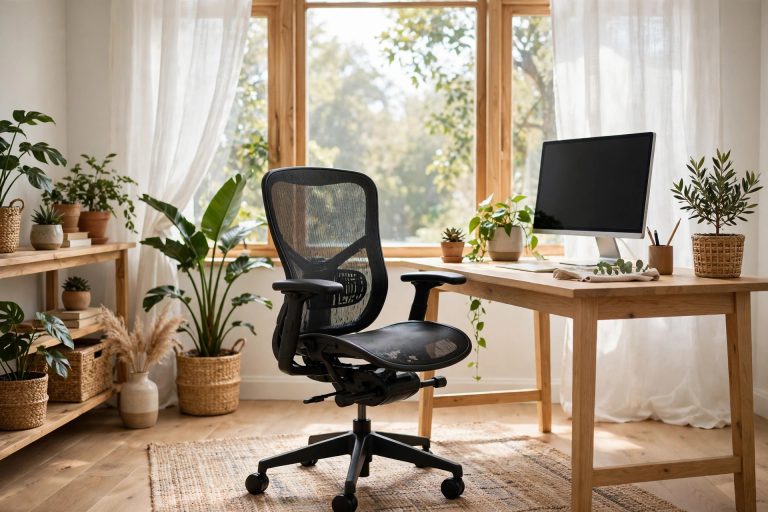
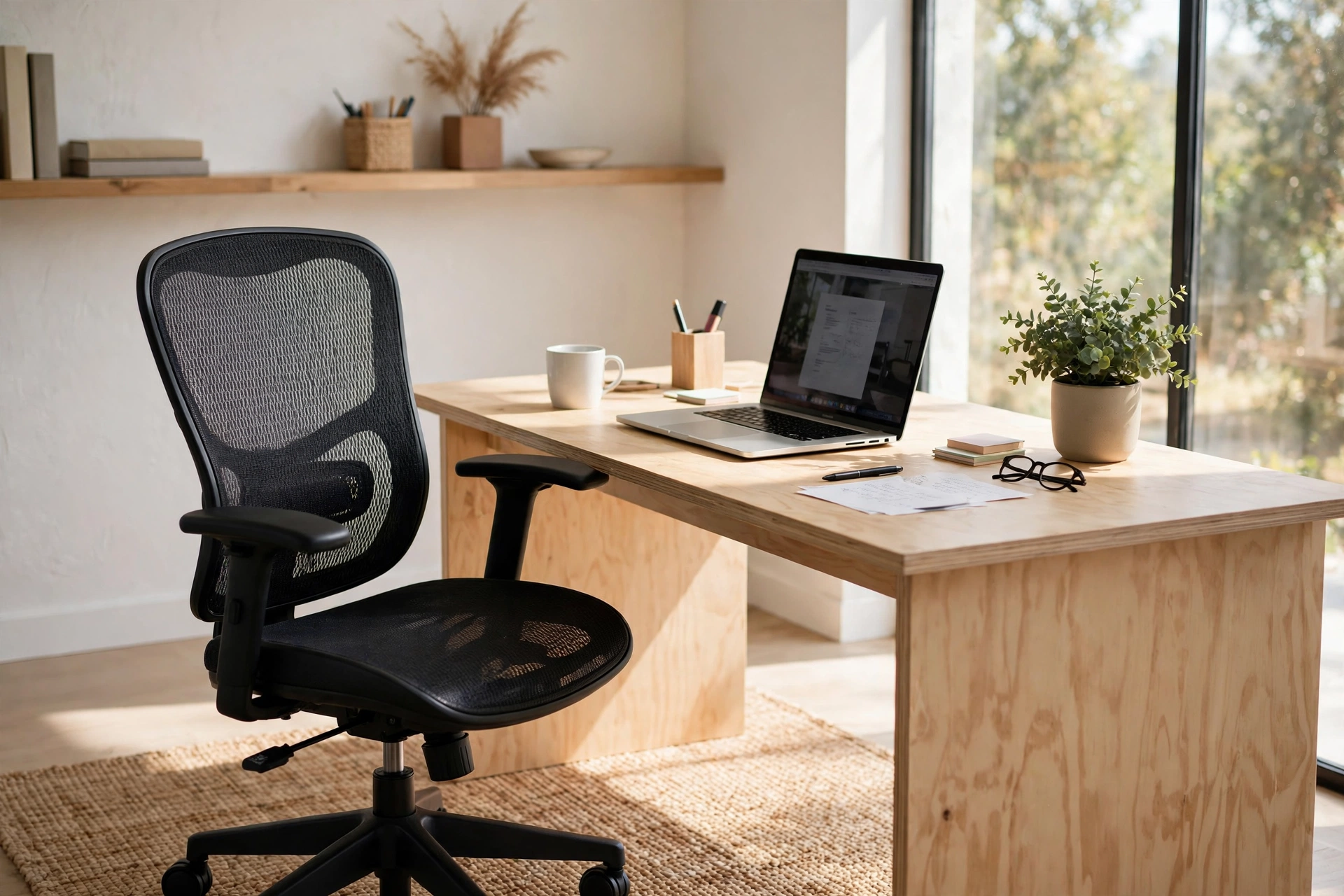
The safest single buy in this price band. A mesh back breathes through summer, the seat height and lumbar move, and the arms adjust in height at least. It fits the widest range of body types because the parts that matter most can be moved to meet you. Look for a mesh back that is taut rather than saggy and a seat cushion that does not bottom out when you sit. Typical range: $180–$300. If you buy one chair and stop thinking about chairs, buy this category.
2. Best for Back Pain: A High-Back Chair With a Sliding Lumbar Pad
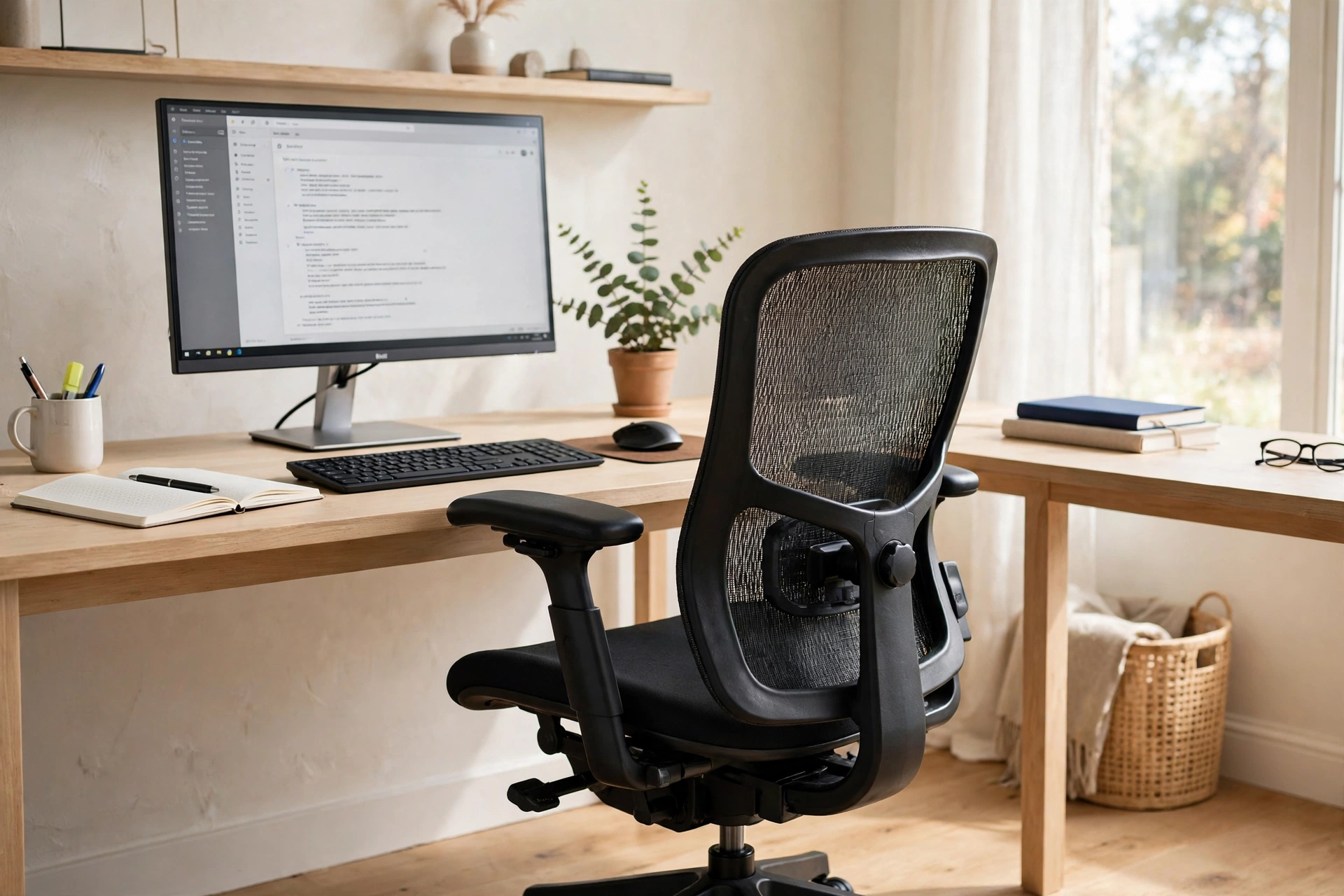
If your lower back starts complaining by mid-afternoon, the lumbar pad is the whole decision. A high-back chair whose lumbar pad slides up and down — and ideally in and out — lets you place support exactly on your curve instead of hoping a fixed bump lands right. Pair it with a slight recline, around 100–110 degrees, and a tilt lock so you can hold that angle. Typical range: $220–$300. Buy from a seller with at least a 30-day return window; your back needs a week of real workdays to judge.
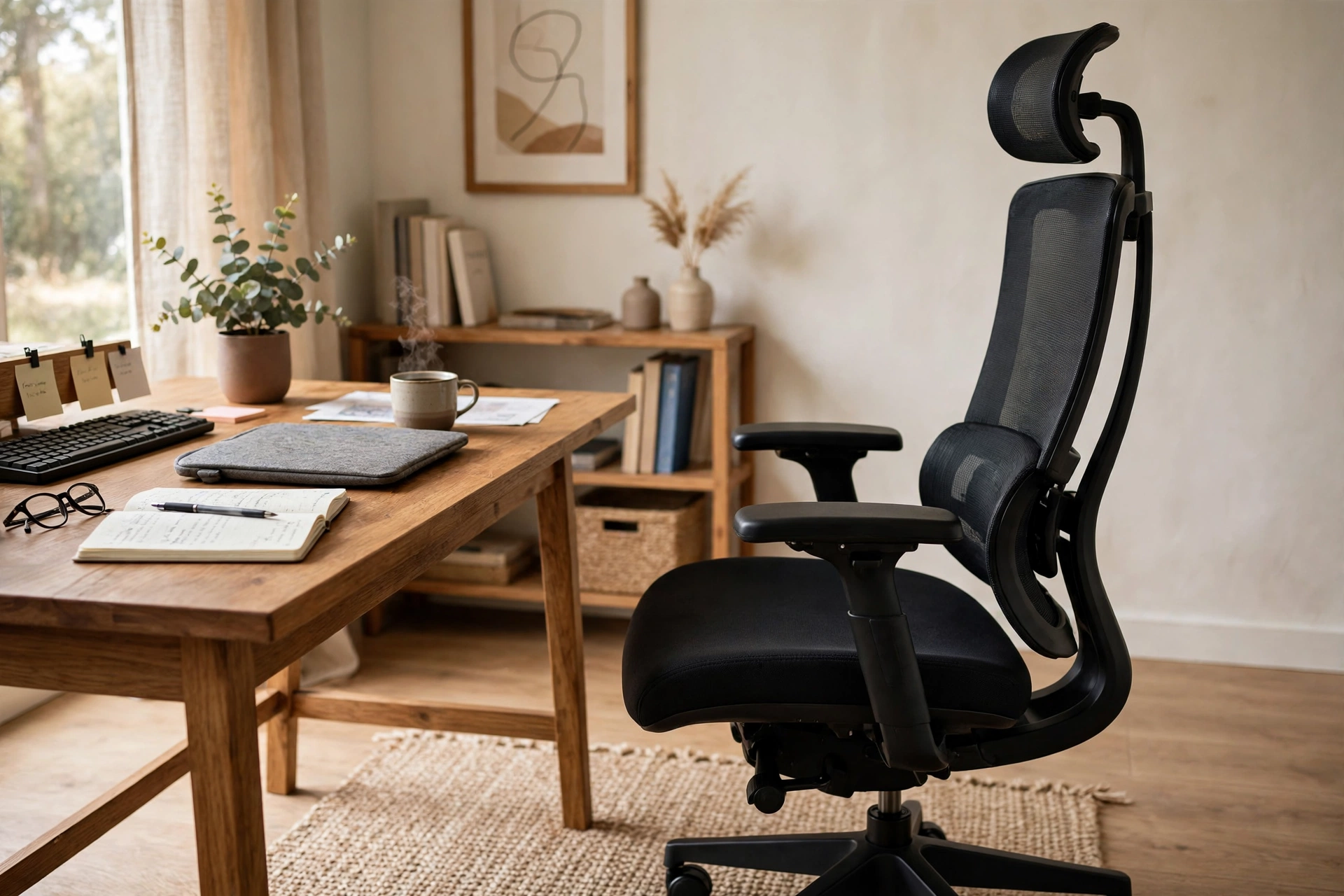
3. Best Compact Pick: A Small Chair That Tucks Away
Small home offices punish big chairs. A compact ergonomic chair keeps the adjustable seat height and a shaped lumbar curve but drops the wide base and bulky arms — some use flip-up armrests so the chair slides fully under the desk when you are done. Measure first: the chair needs to roll under the desktop without the arms catching the edge. A slim mesh back reads lighter in a tight room, which matters when the office is a corner of a bedroom. Typical range: $120–$250. Ideal for a desk under 42 inches wide.
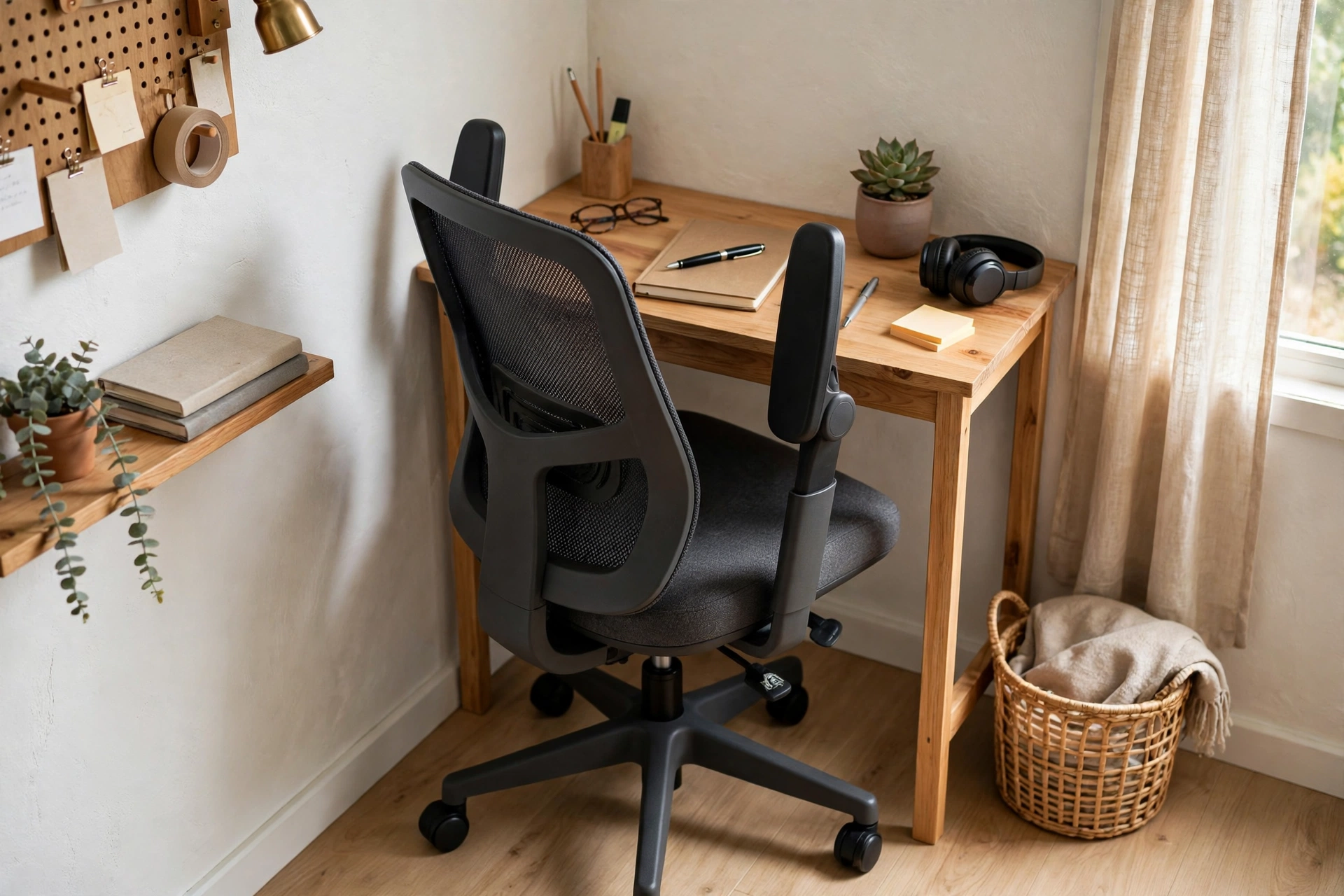
4. Best for Tall Sitters: A Tall Back and a High Seat Range
Standard chairs are built for average height, and tall sitters pay for it: a backrest that ends mid-shoulder and a seat that sits too low. The fix is a tall backrest that reaches your shoulder blades at least, a seat-height range that reaches 21–22 inches, and — if you can find it under $300 — a seat slide for depth. Check the maximum seat height before you order; it is the one number that decides this pick. Typical range: $200–$300.
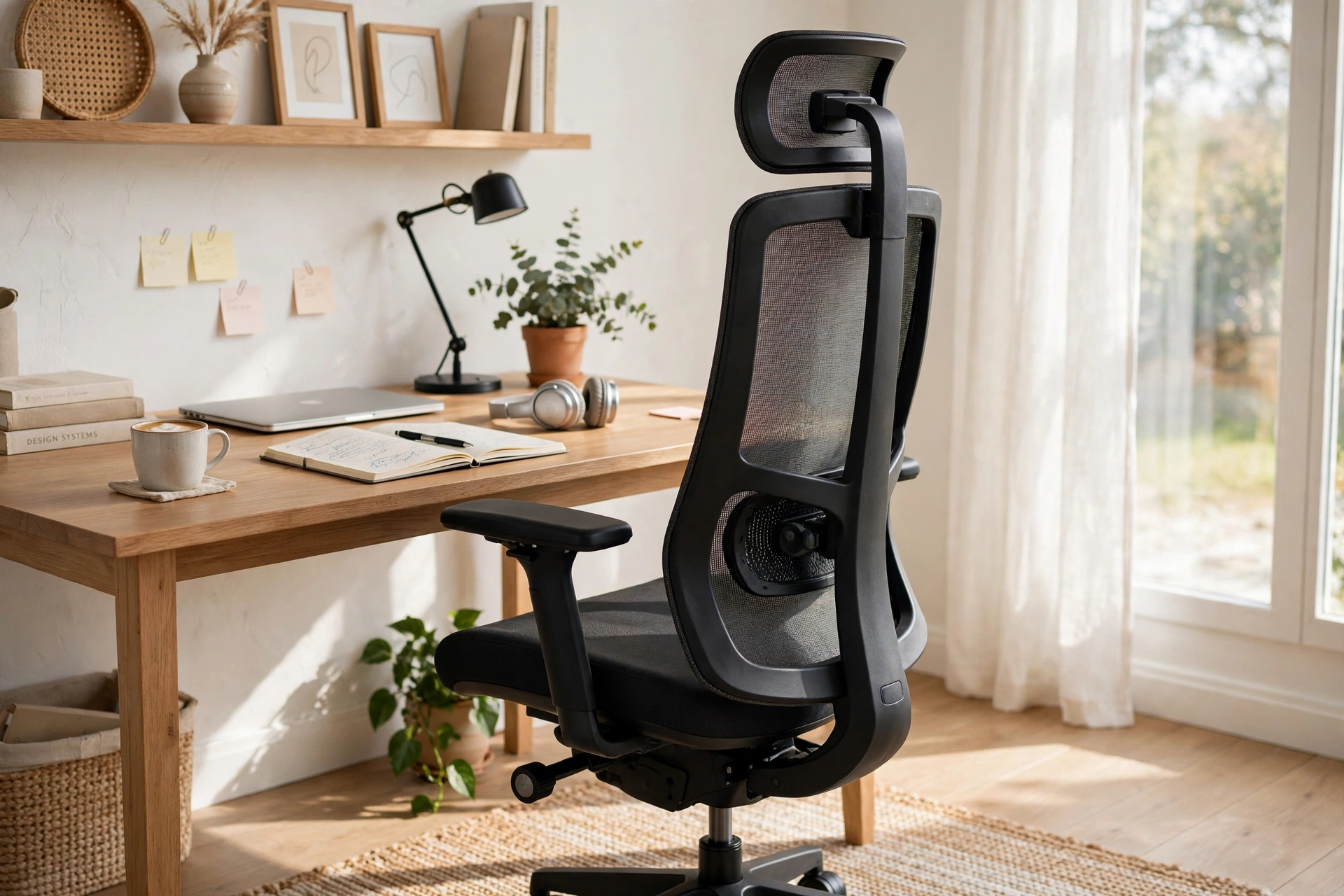
5. Best for Short Sitters: A Low Seat and a Shallow Seat
The mirror problem: a chair whose lowest setting still leaves your feet swinging. Short sitters need a seat that drops to around 16–17 inches and a seat depth on the shallow side, so the front edge does not press behind your knees. A waterfall seat edge — one that curves down at the front — helps a lot here. Adjustable lumbar matters just as much, since a fixed lumbar bump sized for a taller torso will hit the wrong spot. Typical range: $150–$280.
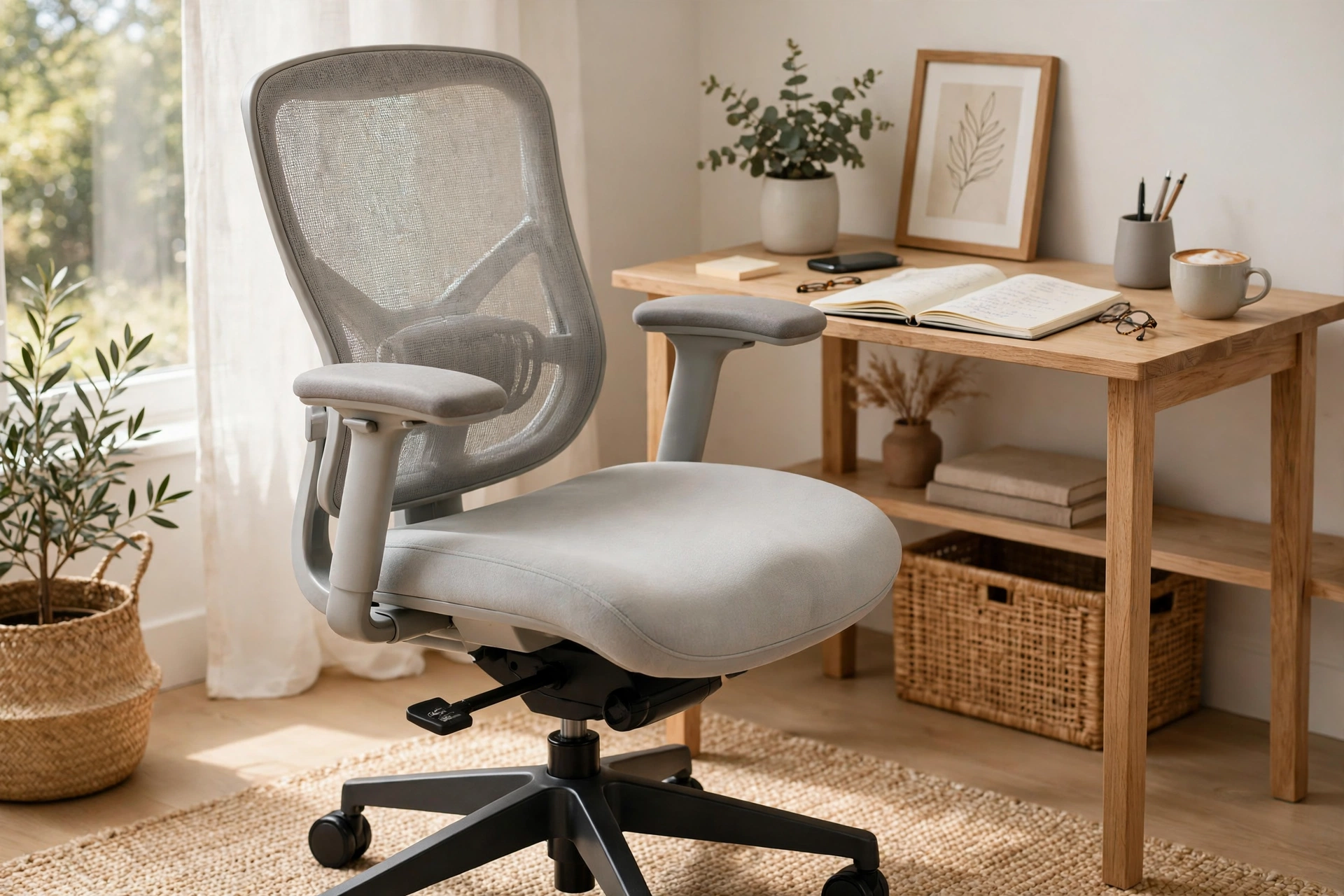
6. Best Value Under $150: The No-Frills Workhorse
Under $150 you are buying the four essentials and nothing else: height adjustment, a shaped lumbar curve, armrests that move up and down, and a seat that does not bottom out. The best chairs in this band skip the extras — no headrest, no seat slide — and spend the money on a decent gas lift and a sturdy base. Expect a firmer seat and a shorter warranty, usually one to two years. Typical range: $90–$150. The right pick if your workday is under six hours or you are furnishing a first home office.
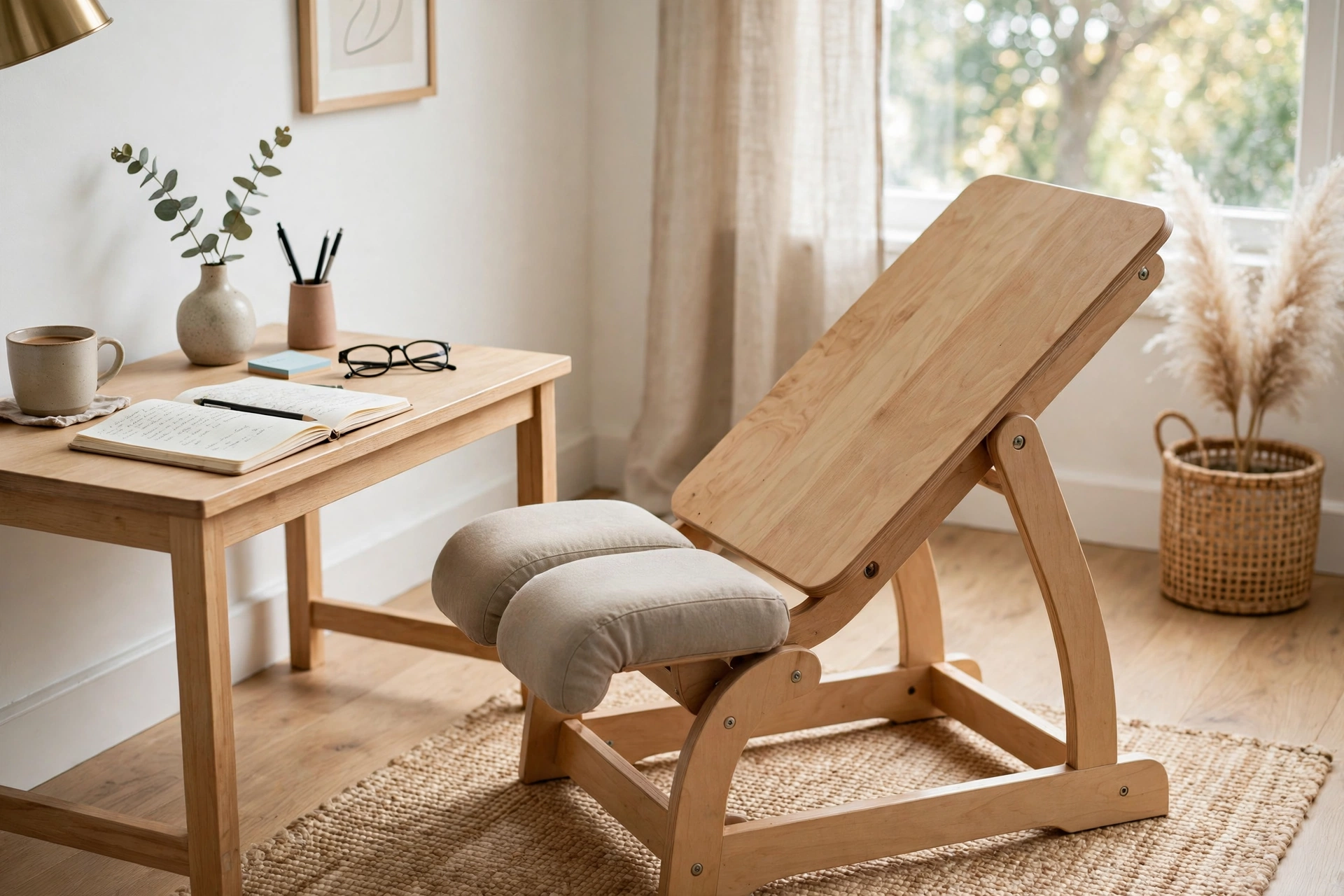
7. Best Second Seat: A Kneeling Chair for Posture Breaks
Not a replacement for a real task chair, but a useful second seat. A kneeling chair opens up your hip angle and encourages an upright posture, which some people find easier on the lower back for one- or two-hour stretches. It is not for all-day use, and it is a poor fit if you have knee problems — use it as a change of position during the day, alongside your main chair. Typical range: $80–$150.
Set It Up Right: The 10-Minute Order
A chair is only as good as its setup. Do it in this order, once, and it stays right:
- Seat height — feet flat on the floor, thighs roughly level.
- Seat depth — two or three fingers of space behind your knees.
- Lumbar — slide the pad to the small of your back.
- Armrests — height set so your shoulders stay relaxed.
- Tilt — a slight recline, then lock it where you like it.
Ten minutes now saves months of fidgeting.
What to Skip Under $300
Three things that look like value and are not. First, a fixed headrest that cannot move — it will push your head forward and is worse than none. Second, bonded-leather padding on a chair with no lumbar adjustment — comfort you feel for a week, then a back that complains for months. Third, a chair with no return policy: at this price, fit is a gamble, and a 30-day return window is the minimum worth accepting.
The Verdict
For most home offices, the fully adjustable mesh task chair is the right answer under $300: it fits the widest range of people, it breathes, and every adjustment you actually need is on it. If your back is the problem, spend the extra on a sliding lumbar pad and a tilt lock. If your budget is tight, buy the no-frills workhorse and add a footrest — that combination beats a flashy chair with a fixed back every time. And if your budget stretches past $300, our wider roundup of the 10 best ergonomic office chairs for home covers the premium picks. Buy the fit first, the features second, and the looks last.