Coastal Style Home Workspace: A Practical Guide to Designing a Calm, Productive Office
A coastal style home workspace isn’t about scattering seashells on a shelf and calling it done — it’s a deliberate mix of light, texture, and restraint that keeps you calm during a 9 AM client call and focused by 3 PM. Most people who try this look end up with a room that feels like a beach gift shop instead of an office. This guide fixes that, with real products, real measurements, and real budget numbers.
What Makes a Coastal Style Home Workspace Different
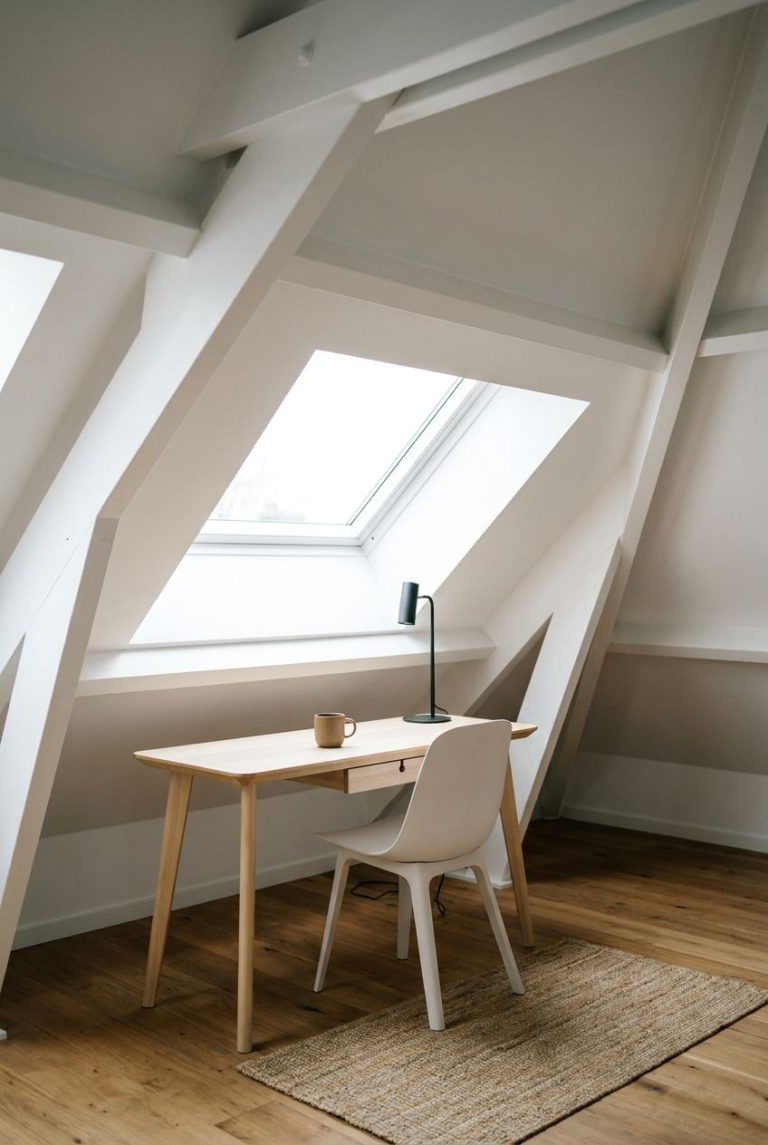
A coastal style home is often confused with “nautical” or “tropical,” but for a workspace specifically, the goals are narrower: reduce visual noise, maximize natural light, and use materials that feel breathable rather than heavy. Think of it as Scandinavian minimalism with a sun-bleached, weathered-wood edge.
Three defining traits separate a true coastal workspace from a generic beach-themed room:
- Muted, low-saturation colors — think sandy beige, driftwood gray, soft seafoam, not bright turquoise or red-and-white stripes.
- Natural, textured materials — rattan, whitewashed oak, linen, jute — over glossy or heavily lacquered surfaces.
- Deliberate negative space — coastal design relies on empty wall and desk space to feel airy; cluttered coastal rooms stop reading as ‘coastal’ and start reading as ‘cottage clutter.’
If you’re converting a spare bedroom, a corner of a living room, or a garage nook into this style of coastal style home workspace, budget at least 3-4 weekends for a full transformation if you’re doing painting, furniture assembly, and styling yourself.
Building Your Color Palette for a Coastal Style Home Office
Color is the single most important decision in a coastal style home workspace — get it wrong and everything else (furniture, art, rugs) fights against the room.

Wall Colors That Actually Work
Skip pure white; it reads clinical under office lighting. Instead:
- Sherwin-Williams Sea Salt (SW 6204) — a soft blue-green, works in rooms with south or west-facing windows.
- Benjamin Moore Palladian Blue (HC-144) — slightly more blue, good for north-facing rooms that need warmth.
- Farrow & Ball Skimming Stone (No. 241) — a warm gray-beige for a sandier, driftwood feel.
Expect to spend $55-$70 per gallon for these premium paints; a standard 10×12 ft office needs about 2 gallons plus primer.
Accent Colors and Where to Use Them
Reserve deeper tones — navy, charcoal, or terracotta — for no more than 15-20% of the room: a desk chair, a single accent wall behind a bookshelf, or window trim. Benjamin Moore Hale Navy (HC-154) on a single built-in bookcase is a common designer move that adds contrast without overwhelming the airy base palette.
Flooring, Walls & Millwork
Flooring sets the tone before you even add furniture. Wide-plank whitewashed or gray-washed oak (5-7 inch planks) is the classic coastal choice, but it’s not the only option and not always practical for a rental.
Flooring Options Compared
| Flooring Type | Cost (per sq ft, installed) | Best For |
|---|---|---|
| Whitewashed engineered oak | $8-$14 | Homeowners, long-term offices |
| Vinyl plank (e.g., LifeProof, COREtec) | $3-$6 | Renters, budget-conscious buyers |
| Sisal or jute area rug over existing floor | $150-$400 (8×10 rug) | No-reno solution, adds texture fast |
| Painted plywood/original hardwood | $1-$3 (paint only) | DIYers on tight budgets |
If a full floor swap isn’t in the budget, an 8×10 ft jute rug from Pottery Barn (around $299) placed under the desk does 80% of the visual work for a fraction of the cost.
For walls, consider shiplap on a single accent wall rather than the whole room — full-room shiplap has become dated and can make a small office feel like a cabin rather than a coastal retreat. A single 10-ft accent wall with pre-primed shiplap boards (Home Depot, ~$3.50/sq ft) takes a weekend to install.
Furniture That Anchors a Coastal Style Home Workspace
Furniture is where most people overspend or under-plan. Here’s what actually holds up.
The Desk
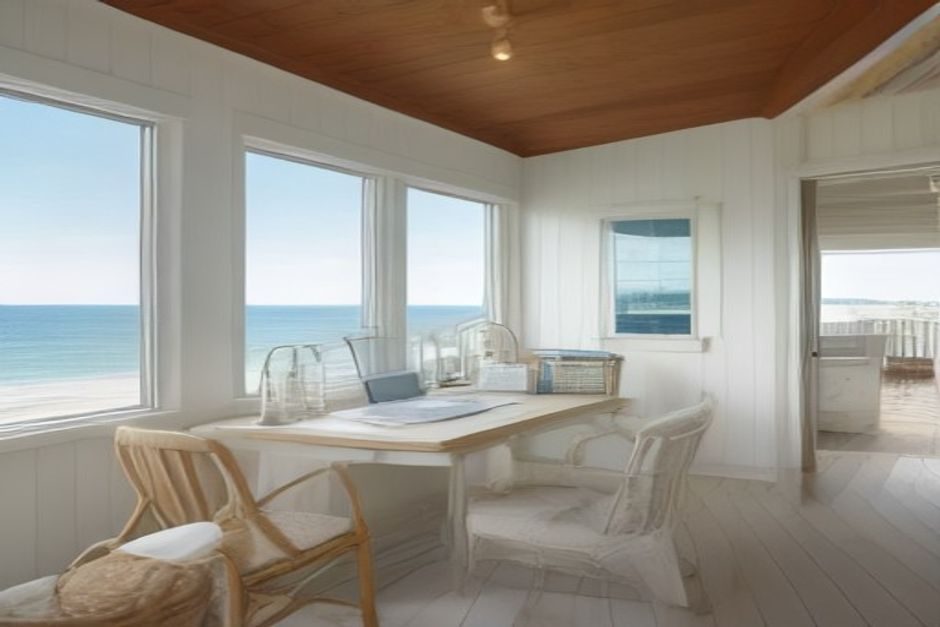
Look for whitewashed or natural wood with simple, straight lines — avoid heavily carved or dark mahogany pieces. Good options:
- Serena & Lily Cape Lookout Desk ($1,498) — rattan base, oak top, genuinely coastal.
- West Elm Anderson Desk in Weathered White ($699) — more budget-friendly, still on-style.
- IKEA LISABO ($229) — ash veneer, minimalist, easy to style coastal with the right accessories.
Minimum desk depth for comfortable dual-monitor use is 30 inches; don’t go below that just to save floor space.
Seating
A woven rattan or cane-back chair looks the part but isn’t always ergonomic for 8-hour workdays. Compromise: use a neutral upholstered task chair (like the Branch Ergonomic Chair, $399) and add a rattan accent chair elsewhere in the room for visual balance rather than daily sitting.
Storage
Open shelving in whitewashed wood or bamboo beats closed cabinets for this style — it keeps the room feeling light. A 36-inch wide, 3-tier bamboo shelf (CB2, ~$249) holds files and decor without visual heaviness.
Lighting Strategy for a Coastal Workspace
Coastal style leans entirely on natural light, so lighting design has to compensate on cloudy days and evenings without breaking the aesthetic.
- Sheer linen curtains (not blackout) let diffused light in during the day — Pottery Barn’s Belgian Flax Linen panels run about $89-$119 per panel.
- Task lighting: a rattan or ceramic-base lamp with a linen shade, like Serena & Lily’s Wharf Table Lamp ($198), keeps evening light warm rather than harsh.
- Color temperature matters: use 2700K-3000K bulbs, never 5000K+ daylight bulbs, which clash with warm coastal tones and feel clinical.
If your workspace has no natural light at all (a basement or interior room), skip sheer curtains entirely and invest in a full-spectrum desk lamp like the BenQ ScreenBar ($109) for eye comfort, then lean harder into color and texture to carry the coastal feel.
Textiles, Rugs & Window Treatments
Textiles are the cheapest way to shift a room’s feel, and coastal style depends heavily on them.
Rugs
Layer a jute or sisal base rug (8×10, ~$250-$350) with a smaller striped cotton or wool rug (4×6, ~$120) for texture without pattern overload.
Curtains and Throws
Linen curtains in oatmeal or soft white, hung at least 4-6 inches above the window frame and extending to the floor, make ceilings feel taller — a trick worth using in any home office under 9-ft ceilings. Add one chunky knit throw (not more than one) over a chair for texture.
Avoid nautical rope trim, anchor-print pillows, or literal seashell patterns on fabric — these push the room from ‘coastal’ into ‘themed,’ which reads dated within 2-3 years.
Accessories and Wall Decor
This is where restraint matters most. A coastal workspace should have no more than 3-5 decorative objects visible on any given surface.

- Wall art: abstract ocean-tone prints (blues, sandy neutrals) in simple wood or white frames — Minted and Society6 both offer 18×24 inch coastal abstracts for $60-$120 framed.
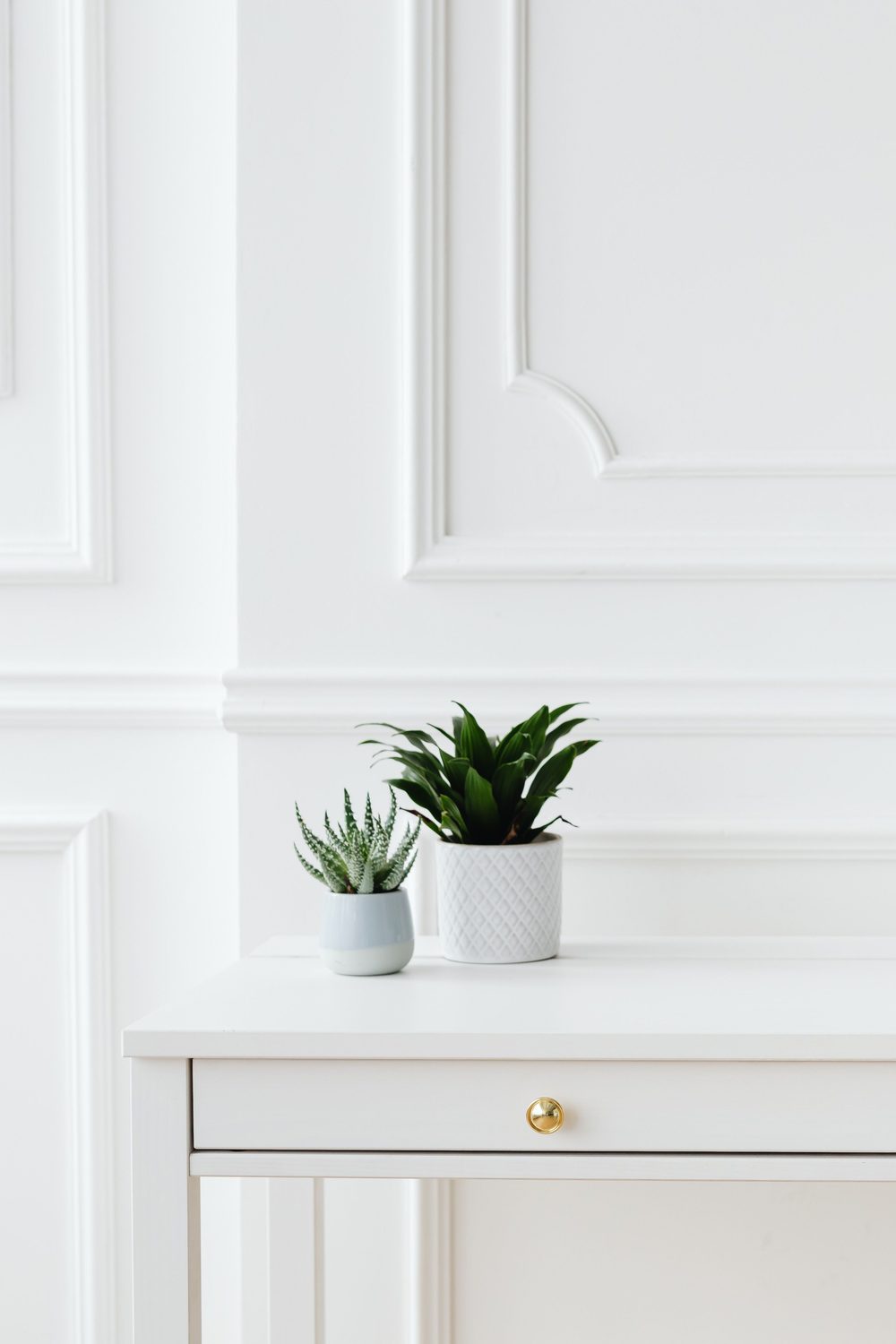
- Plants: a single olive tree or dried pampas grass in a woven or ceramic pot adds organic texture without maintenance stress.
- Objects: one piece of driftwood, a single ceramic vessel, or a woven basket for cord management — not five decorative items competing for attention.
A common styling rule from interior designers: for every item you add, remove one. This keeps the ‘airy’ quality that defines coastal design instead of drifting into clutter.
Coastal Workspace Budget Tiers: DIY vs Mid-Range vs High-End
Budget varies wildly depending on whether you’re refreshing an existing room or building from scratch. Here’s a realistic breakdown for a 10×12 ft home office.

| Budget Tier | Total Cost | What’s Included |
|---|---|---|
| DIY / Budget | $600-$900 | Paint, IKEA desk, jute rug, linen curtains from Target, thrifted accessories |
| Mid-Range | $2,000-$3,500 | West Elm or CB2 furniture, quality area rug, framed art, ergonomic chair |
| High-End | $5,000-$8,000+ | Serena & Lily furniture, custom millwork/shiplap, designer lighting, professional paint job |
Most people get 80% of the visual impact from the mid-range tier — the jump to high-end mostly buys durability and slightly better materials, not a dramatically different look.
Common Mistakes When Designing a Coastal Style Home Workspace
- Overusing nautical clichés. Anchors, ropes, and shell-print fabric date a room fast. Fix: stick to color, texture, and material cues instead of literal ocean iconography.
- Choosing glossy, dark furniture. High-gloss black or cherry-finish desks clash with the matte, weathered feel coastal style depends on. Fix: prioritize matte finishes and light woods — whitewashed oak, rattan, bamboo.
- Ignoring ergonomics for aesthetics. A beautiful rattan chair that hurts your back after two hours isn’t worth it. Fix: keep the statement chair as an accent piece and use a proper ergonomic chair for actual work.
- Too much pattern at once. Striped rugs, striped pillows, and patterned curtains together create visual chaos. Fix: pick one pattern as the ‘hero’ and keep everything else solid or textured-neutral.
- Skipping window treatments entirely. Bare windows feel unfinished and let harsh light wash out screens. Fix: even a $40 sheer curtain panel from Target softens the room significantly.
What If Your Space Doesn’t Fit the Ideal? (Common Scenarios)
What if I have a tiny workspace (under 60 sq ft)?
Skip the rug layering and floor shelving. Use a wall-mounted floating desk (24-30 inches deep) and a single large piece of wall art to create depth. Light colors on walls become even more critical in small spaces — stick to Sea Salt or a soft white like Benjamin Moore White Dove (OC-17).

What if I rent and can’t paint or install shiplap?
Use removable wallpaper — Spoonflower’s peel-and-stick coastal-toned grasscloth patterns run $65-$90 per roll and cover roughly 30 sq ft. Combine with a large jute rug and linen curtains on a tension rod (no drilling required) to get 90% of the effect without permanent changes.
What if my room gets almost no natural light?
Lean into warm-toned artificial lighting (2700K bulbs) and choose a slightly warmer wall color like Skimming Stone rather than a cool blue-green, which can look gray and flat without sunlight. Mirrors placed opposite the light source (even artificial) help bounce light around.
What if I share the workspace with a partner or roommate?
Zone the room with a woven room divider (like a rattan folding screen, ~$180-$250) rather than furniture that visually splits the space — it keeps the airy coastal look intact while creating separation.
Maintenance and Long-Term Durability
Coastal materials — linen, jute, rattan — are beautiful but need more upkeep than standard office furniture.

- Jute/sisal rugs stain easily; treat with a rug protector spray (Scotchgard, ~$12) immediately after purchase, and vacuum weekly on a low-suction setting to avoid fraying fibers.
- Rattan furniture can dry out and crack in low-humidity climates; wipe down with a slightly damp cloth every 2-3 months and keep away from direct heating vents.
- Linen curtains wrinkle by design (part of the relaxed look), but if that bothers you, a quick steam every few weeks keeps them tidy without ironing out the natural texture entirely.
- Whitewashed wood desks show scratches more visibly than dark wood — use a desk pad or felt coasters under equipment, and touch up with a matching whitewash pen (around $15) as needed.
Budget roughly $150-$250 a year for upkeep supplies and minor replacements (rug protector, touch-up paint, occasional cushion covers) to keep the room looking intentional rather than worn out.
Putting It Together
Start with the wall color and flooring decision first — everything else in a coastal style home workspace is easier to choose once those two anchors are set. Buy the desk and chair second, since they’re the most expensive and hardest to return. Save accessories, art, and plants for last, and resist the urge to buy them all at once; rooms that come together over a few weeks, piece by piece, almost always look more considered than ones assembled from a single online cart. If you only do three things from this guide, paint the walls a muted tone, add a jute rug, and cut your decor items down to five or fewer per surface — that alone gets you most of the way there.