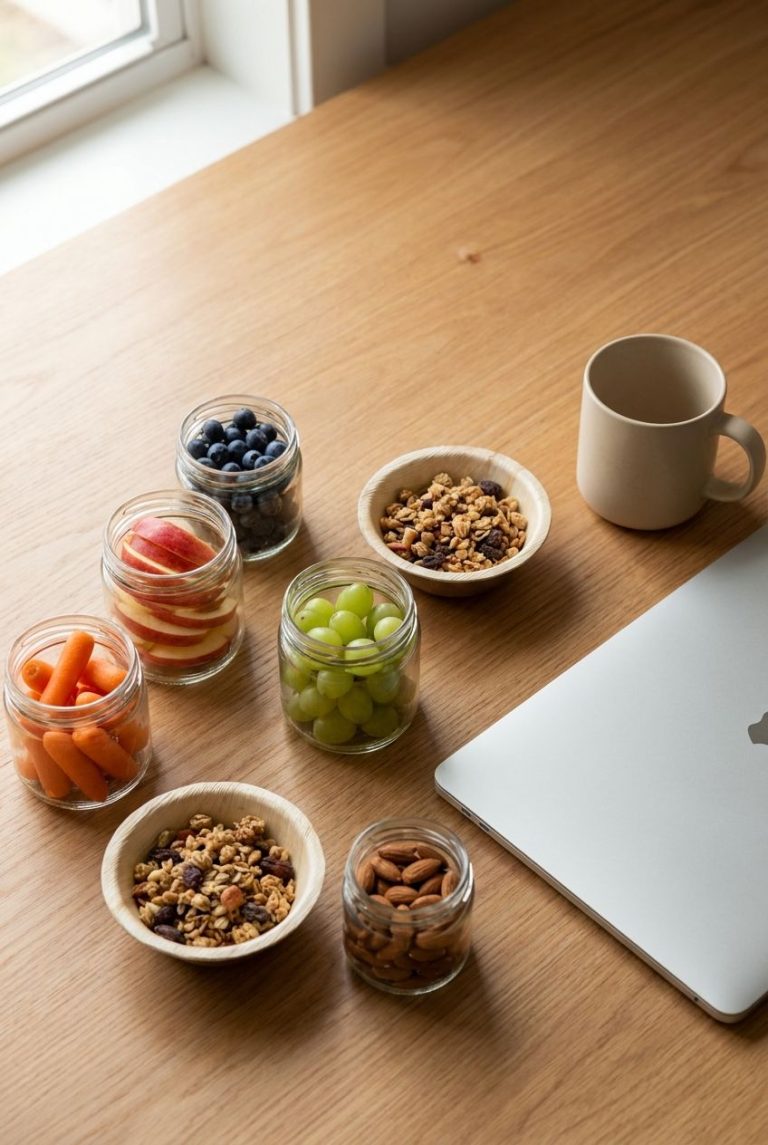
Work Snacks That Actually Keep You Focused: A Practical Guide to Eating Smart at Your Desk
The average office worker eats a 250-calorie vending machine snack around 3 p.m., crashes within 45 minutes, and then reaches for a second one. The problem isn’t willpower. It’s that most work snacks are built to spike your blood sugar, not sustain your brain. This guide shows you exactly what to stock, how much to eat, and when, so your afternoons stop falling apart.
Why Your 3 p.m. Slump Is Usually a Snack Problem
Your brain runs on glucose (a simple sugar your body makes from carbohydrates), and it uses roughly 20% of your daily calories despite being about 2% of your body weight. When you eat a fast-digesting snack like a candy bar or a bag of pretzels, your blood glucose rises sharply, your body releases insulin to bring it down, and the resulting dip leaves you foggy and irritable.
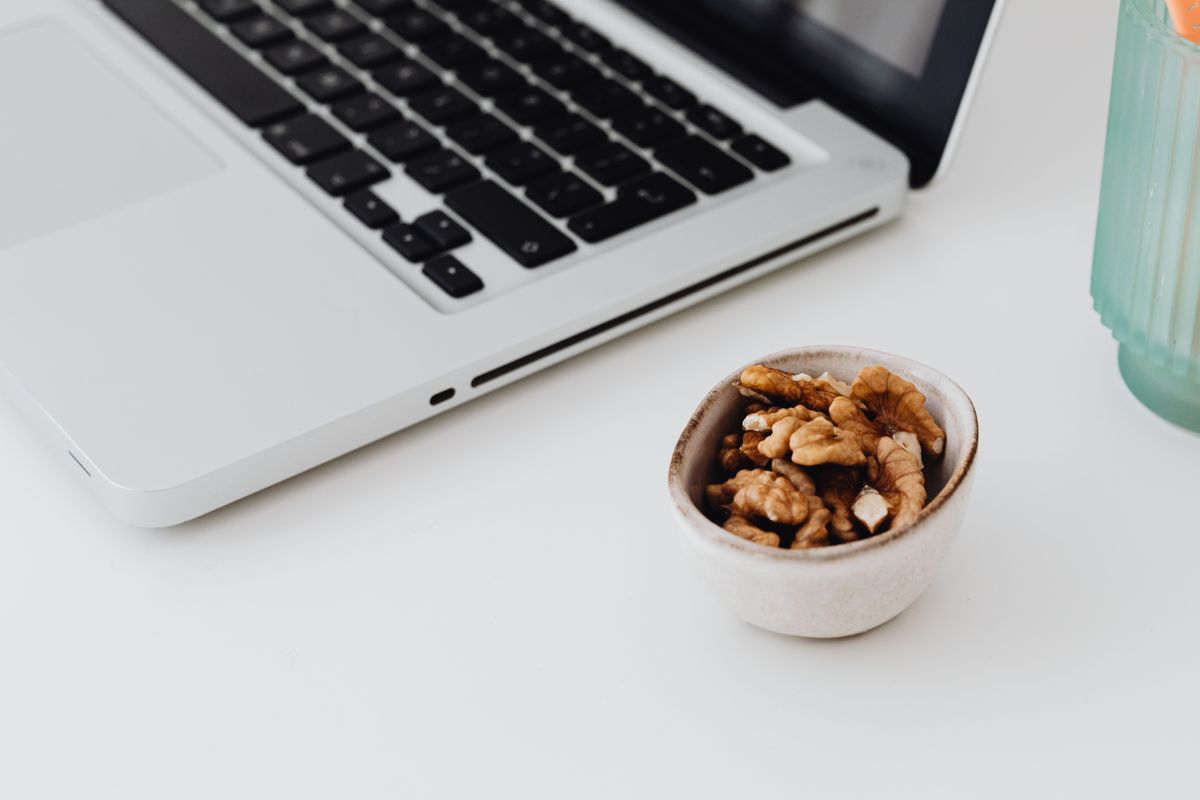
The fix is not eating less. It’s pairing nutrients so digestion slows down. A snack with at least 5 grams of protein and 3 grams of fiber digests over 2 to 3 hours instead of 30 minutes.
The simple formula behind every good work snack
Aim for this ratio: 150 to 250 calories, 5 to 15 grams of protein, 3+ grams of fiber, and under 8 grams of added sugar. That’s the target. Everything below is just ways to hit it.
But what if you don’t feel hungry at 3 p.m.?
Then skip it. Snacking on a schedule you don’t need is how people add 300 unplanned calories a day. Eat a snack only when you notice a real dip in focus or a stomach growl, not because the clock says so.
The 12 Best Work Snacks for Steady Energy (With Exact Portions and Prices)
These are the snacks that consistently deliver on the formula above. Prices are typical US grocery store costs.
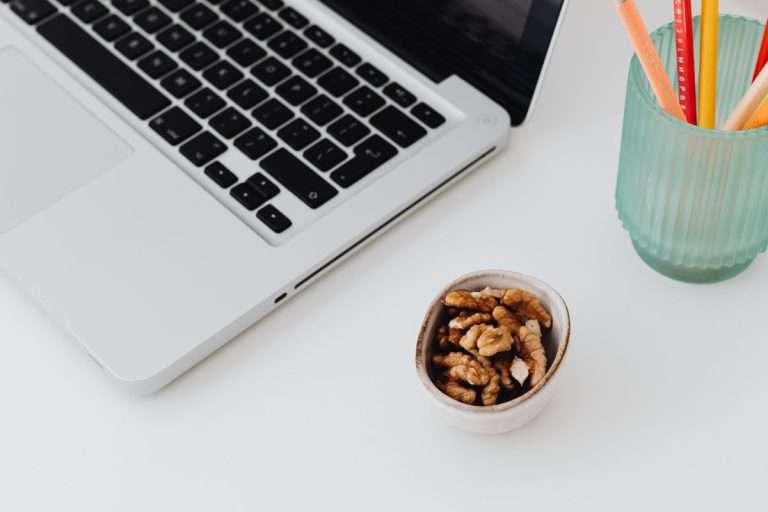
- Almonds, 1 oz (about 23 nuts): 164 calories, 6g protein, 3.5g fiber. About $0.45 per serving when bought in a 3-lb Costco bag.
- Plain Greek yogurt, 3/4 cup: 100 calories, 15g protein. Chobani or Fage single-serve cups run $1.20 to $1.60.
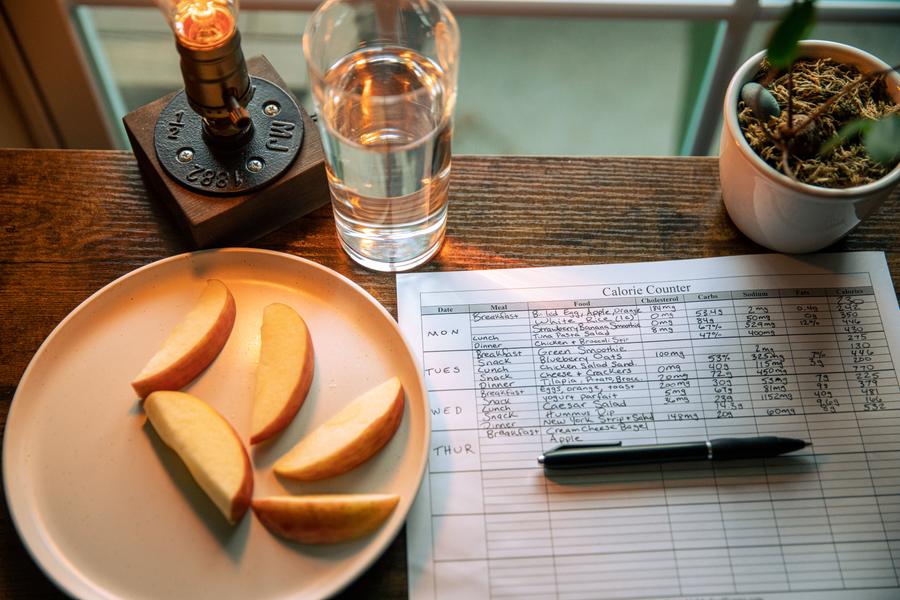
- Apple with 1 tbsp peanut butter: 190 calories, 4g protein, 5g fiber. About $0.80.
- Hard-boiled eggs, 2 large: 140 calories, 12g protein. About $0.60 for the pair.
- Roasted chickpeas, 1/4 cup: 130 calories, 6g protein, 5g fiber. Brands like Biena run $1.25 per single-serve bag.
- String cheese, 1 stick plus 10 whole-grain crackers: 200 calories, 9g protein. About $0.90.
- Edamame, 1/2 cup shelled: 95 calories, 9g protein, 4g fiber. Frozen bags run about $2.50 for 8 servings.
- Cottage cheese, 1/2 cup with berries: 110 calories, 12g protein. About $1.00.
- Turkey and cheese roll-ups, 3 slices: 150 calories, 14g protein. About $1.40.
- Dark chocolate (70%+), 1 oz with 10 almonds: 260 calories, 6g protein. About $1.10.
- Protein bar (RXBAR, Quest, or Kind Protein): 190 to 210 calories, 12 to 20g protein. $1.80 to $2.50 each.
- Baby carrots with 2 tbsp hummus: 100 calories, 3g protein, 4g fiber. About $0.70.
Success looks like this: two hours after eating, you still feel steady, not hungry and not sleepy. If you’re starving again in 60 minutes, add 5 more grams of protein next time.
Desk-Friendly Snacks vs. Fridge Snacks: What Fits Your Workspace
Where you work changes what you can realistically eat. A snack that needs refrigeration is useless if your office has no fridge, and a crunchy snack is a bad idea on a video call. Match the snack to the setup.
Shelf-stable snacks for your desk drawer
Almonds, roasted chickpeas, protein bars, individual nut butter packets (Justin’s or Barney Butter, about $1.00 each), and unsweetened dried mango last weeks without refrigeration. Keep a rolling stock of five to seven items in a drawer so you never end up at the vending machine.
Fridge snacks for offices with shared refrigerators
Greek yogurt, hard-boiled eggs, cheese sticks, hummus, and cut veggies need cold storage. If you share a fridge, label items with your name and the date. Anything over 4 days old, throw out. Hard-boiled eggs last 7 days in the shell, but cut veggies are best within 4.
But what if you work from home or a hot car commute is involved?
Working from home gives you the luxury of real food, so use it: leftover protein, a quick scrambled egg, or a bowl of cottage cheese. For commutes in summer heat, stick to shelf-stable options. Anything perishable left above 90 degrees Fahrenheit for over an hour should be tossed.
How to Set Up a Work Snack Drawer in 30 Minutes (Under $40)
A stocked drawer removes the daily decision, and decisions are what lead to bad choices when you’re tired. Here is the exact process.

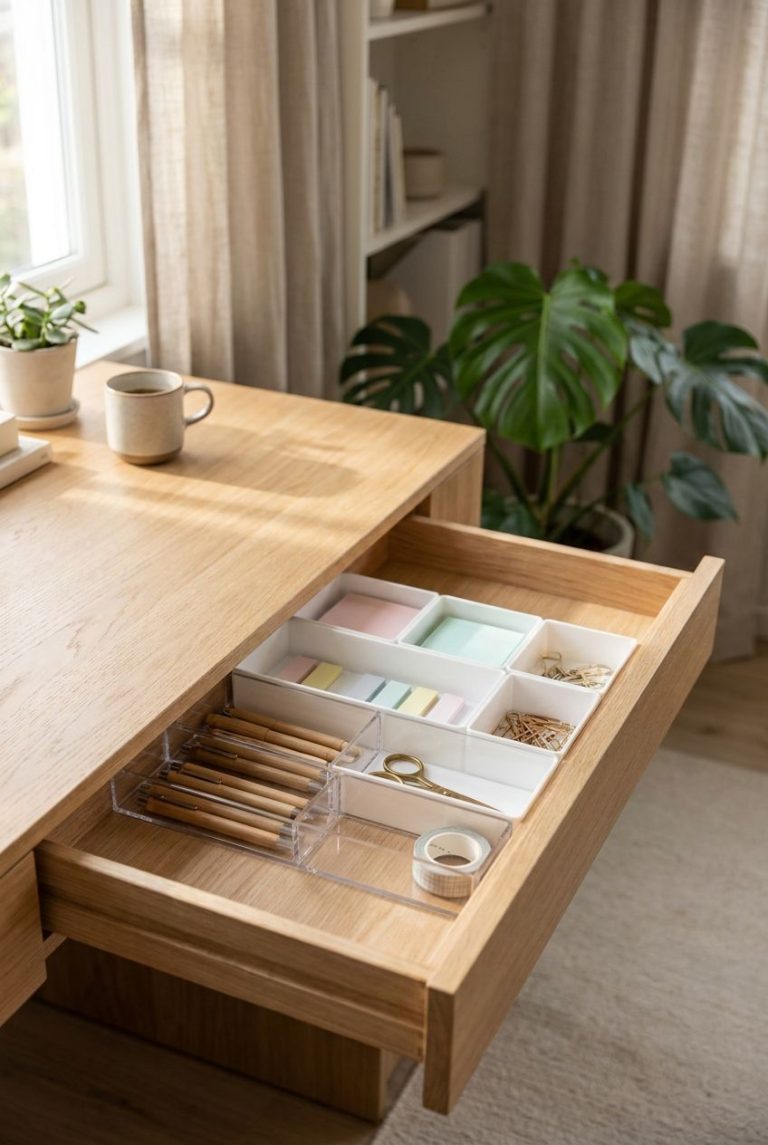
- Clear one drawer or a 12-inch shelf. Use a shallow bin or a $6 drawer organizer so items don’t roll around. Success: you can see everything at a glance.
- Buy 5 shelf-stable items from the list above. A solid starter set: a 1-lb bag of almonds ($7), 6 single-serve nut butter packets ($6), a 6-pack of protein bars ($12), roasted chickpeas ($5), and a bag of dried fruit ($4). Total: about $34.
- Portion bulk items into 1-oz bags. Use reusable silicone bags or small containers ($8 for a 10-pack). This prevents the mindless-handful problem where 1 ounce quietly becomes 4.
- Add a water bottle to the same spot. Mild dehydration of just 1 to 2% of body weight can reduce concentration, and thirst is often mistaken for hunger.
- Set a weekly restock reminder. Pick Friday afternoon. Check what ran out and refill.
But what if your desk has no drawer? Use a lidded 1-quart container on your desk or a small tote under it. The goal is visibility and convenience, not the furniture.
Work Snacks Compared: Which Type Wins for Your Situation?
Not every snack suits every person. This table compares four common categories across the criteria that matter most at work.
| Snack Type | Cost per Serving | Energy Lasting Time | Prep Effort | Best For |
|---|---|---|---|---|
| Nuts and seeds | $0.40 to $0.80 | 2 to 3 hours | None | Desk drawer, long meetings, budget-conscious eaters |
| Protein bars | $1.80 to $2.50 | 2 to 3 hours | None | Commuters, travel days, zero-prep people |
| Dairy and eggs (yogurt, eggs, cheese) | $0.60 to $1.60 | 3 to 4 hours | Low (5 min weekly) | Offices with a fridge, highest-protein needs |
| Fruit and veggie combos with dip | $0.70 to $1.00 | 1.5 to 2 hours | Medium (10 min weekly) | Light snackers, people watching calories |
Recommendation: If you only buy one thing, buy almonds. They’re the cheapest, need no prep, and last the longest. If your office has a fridge, add Greek yogurt for the highest protein per dollar. Save protein bars for emergencies, since they cost 3 to 5 times more per serving than whole foods.
The Hidden Sugar Trap: 6 “Healthy” Work Snacks That Aren’t
Some snacks wear a health halo they haven’t earned. Here’s what to check on the label before buying.

- Flavored yogurt cups: Many contain 15 to 25 grams of sugar, about the same as a small candy bar. Choose plain and add your own berries.
- Granola and granola bars: A single Nature Valley crunchy bar has 6g sugar, but many store granolas pack 12 to 16g per 1/2 cup. Look for under 8g.
- Dried fruit in large amounts: A 1/4 cup of raisins has about 25g of sugar. Stick to 2 tablespoons and pair it with nuts.
- Fruit juice and smoothies: A 12-oz bottled smoothie can hit 40 to 50g of sugar with almost no fiber.
- Rice cakes and pretzels alone: Low in calories but fast-digesting. Add peanut butter or cheese to slow the spike.
- “Protein” cookies and chips: Some have 10g protein but also 12g+ sugar or 20+ ingredients. Read the first three ingredients.
A quick rule: if sugar grams exceed protein grams, put it back. That one check filters out most of the junk.
3 Common Work Snacking Mistakes (and How to Fix Each One)
Mistake 1: Eating straight from the bag
A 16-oz bag of mixed nuts contains about 16 servings and nearly 2,700 calories. Eating from the bag while answering email makes it easy to polish off 600 calories without noticing. Fix: Pre-portion into 1-oz containers on Sunday, and eat away from your keyboard for 5 minutes.
Mistake 2: Skipping breakfast or lunch, then “snacking” as a meal replacement
Three snacks are not a lunch. They tend to be low in protein and high in refined carbs, leaving you under-fueled and over-snacked. Fix: Eat a real lunch with 25 to 30 grams of protein, and use snacks only to bridge gaps of 3 to 4 hours.
Mistake 3: Choosing crunchy, loud, or smelly snacks on video calls
Raw carrots on a Zoom call sound like a woodchipper to everyone else. Tuna, hard-boiled eggs, and microwaved leftovers can clear a shared room. Fix: Eat 10 minutes before a call, or keep a quiet option like a soft protein bar or yogurt on hand.
Work Snack Timing: When to Eat for Peak Focus
When you eat matters nearly as much as what you eat. Most people hit a natural energy dip about 2 to 3 hours after lunch, and eating right before it can prevent the crash instead of reacting to it.
A sample schedule for a 9 to 5 workday
Eat breakfast by 8:00 a.m. with at least 20g of protein. Have a small snack around 10:30 only if you feel hungry. Eat lunch at noon or 12:30. Take your main snack around 3:00 p.m., about 3 hours later. If you work past 6, add a small snack at 5:30 so you don’t arrive home ravenous and overeat dinner.
Caffeine and snacks: how to pair them
Coffee on an empty stomach can spike jitters and cortisol. Pair your afternoon coffee with a protein-rich snack, like coffee with a hard-boiled egg or Greek yogurt. Cut caffeine by 2 p.m. if you struggle with sleep, since caffeine has a half-life of about 5 hours.
But what if I work night shifts or irregular hours?
Anchor your snacks to hours since your last meal, not the clock. Eat a protein-based snack every 3 to 4 hours of wakefulness, and avoid heavy sugar in the 3 hours before your planned sleep.
“But I Don’t Have Time” and Other Objections, Answered
Every objection to better snacking sounds reasonable until you look at the numbers.

“Healthy snacks are too expensive.” A day of vending machine snacks (a $2 chip bag plus a $2.25 candy bar) costs $4.25. A drawer snack of almonds plus a Greek yogurt costs about $1.80. Over a 250-day work year, that’s a savings of roughly $600.
“I have no time to prep.” Total weekly prep for the whole system is about 20 minutes: boil 6 eggs (12 minutes, mostly hands-off), portion almonds into bags (5 minutes), and wash carrots (3 minutes).
“My coworkers bring donuts and I can’t resist.” Don’t fight willpower with willpower. Eat your planned snack first, 30 minutes before the office treat appears. People who arrive full are far less likely to grab a third donut.
“I have allergies or dietary restrictions.” Swap nuts for roasted pumpkin seeds (about $0.50 per ounce) or sunflower seed butter. For dairy-free, choose So Delicious or Silk plain yogurt, though check protein, since many plant yogurts have just 2 to 5g. Add a spoonful of chia seeds for extra fiber.
“What if I’m trying to lose weight?” Snacks can help, not hurt. Keeping snacks under 200 calories and high in protein reduces overeating at dinner for most people. Track for one week and see.
Your Next Step: Build a 5-Item Snack Drawer Before Friday
Skip the research phase. Tonight, order or buy five items from the list above: almonds, nut butter packets, protein bars, roasted chickpeas, and one fruit option. Portion them tomorrow morning in under 10 minutes, put them in one drawer, and add a note on your calendar for next Friday to restock.
Then run a one-week test. Eat a snack only when you feel a real dip, and notice how you feel two hours later. If you’re still sharp, you’ve found your system. If not, add protein and try again.